Re-framing, recontextualising and reflecting stories
“It matters what stories we tell to tell other stories with; it matters what knots knot knots, what thoughts think thoughts, what descriptions describe descriptions, what ties tie ties.
It matters what stories make worlds, what worlds make stories.”
Donna Haraway

How do narrative and story play into change and transformation?
As a designer of regenerative cultures, and curator of a radical book club, I’m passionate about the role of story and narrative.
I believe that the best way to help people make sense of something is to put it into a pattern, or into a story.
I do both. Though, of the two, story is the one we hold closest to our hearts.
People often say that businesses and governments are cold and lacking emotion, and in many ways they are, but the one thing the great empires have always done is tell a really good story.
Europe’s lost civilisation
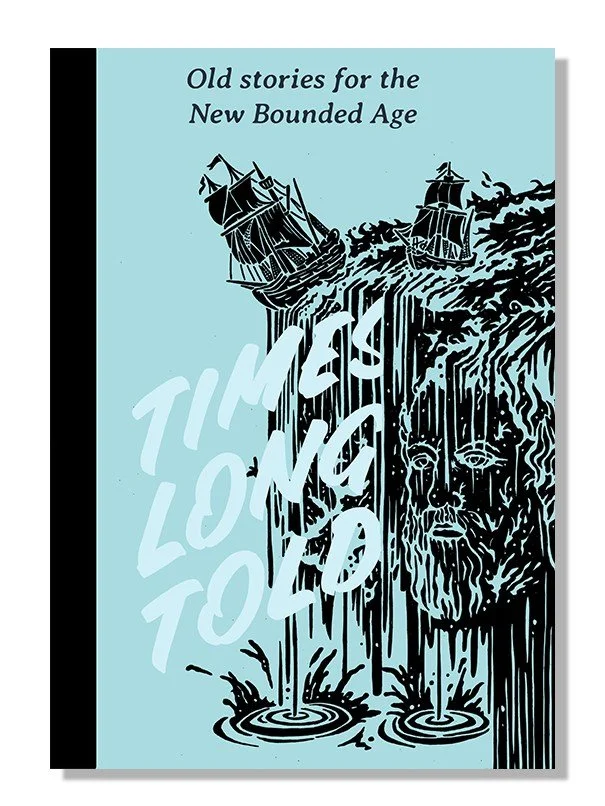
In my quest to share how I make sense of the world, I’m writing a book Times Long Told, which retells some of our oldest myths and stories, working with these as a mirror on this modern moment.
Perhaps the most remarkable story I’ve uncovered is that of the Bronze Age Minoans, living on the Island of Crete in a golden time, even before the Ancient Greek’s heroic era written about by the likes of Homer.
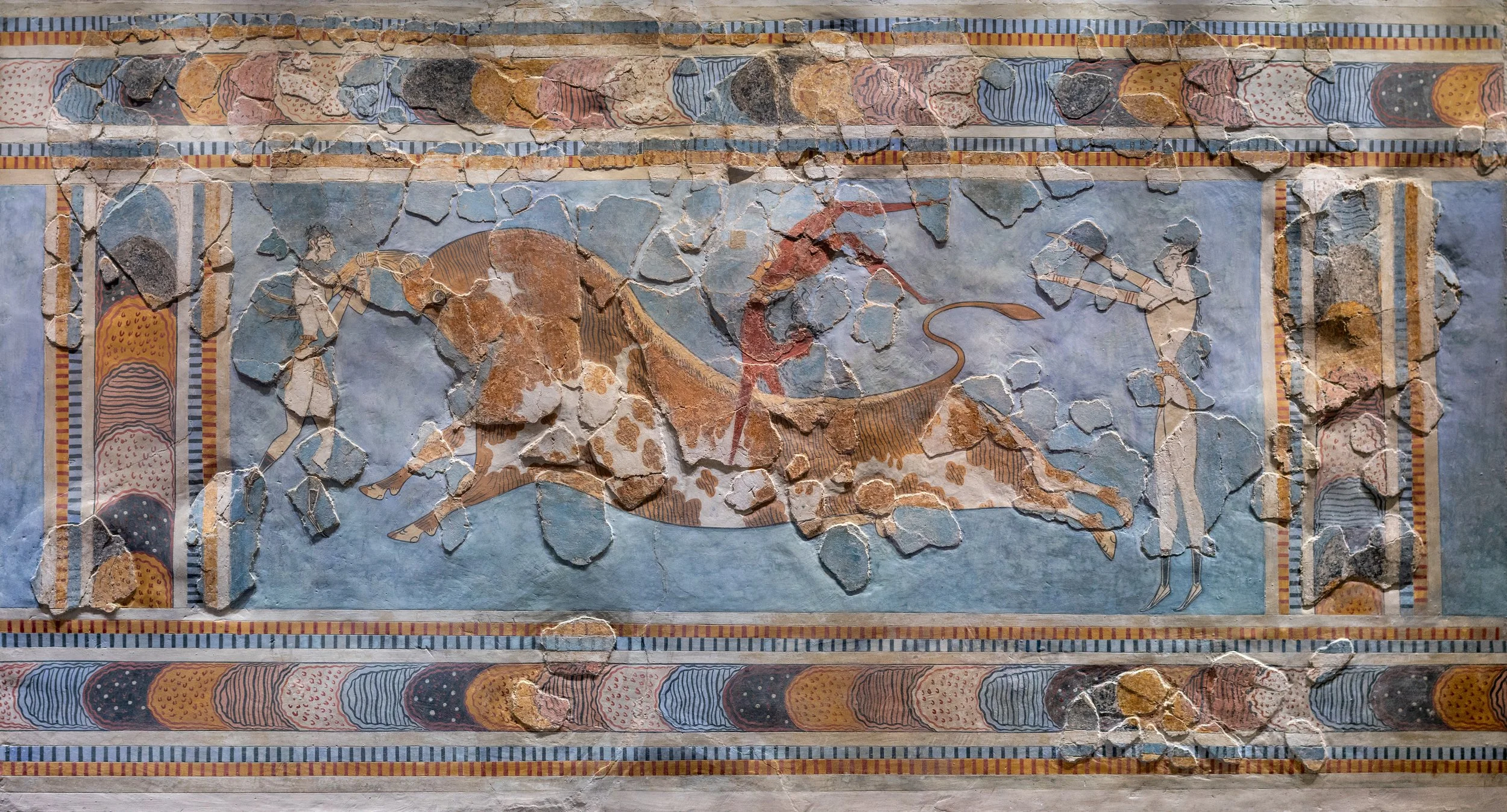
The Minoans were a sophisticated society which celebrated beauty. Their ceramic pots decorated with natural motifs and patterns echo William Morris Arts and Crafts aesthetic, reflecting their love for the natural world, and wouldn’t be out of place in a modern gallery. This reverence was cultivated by powerful priestesses and Goddess worship. Their spectacular frescos and artwork have no kings, hierarchies or slaves, in marked contrast to contemporary Ancient Egypt, just a short sail across the Med.
And at the heart of what Victorian archaeologists thought was a kings palace at Knossos, we find a rectangular space, sacred to the Minoans celebration of harmony with nature; the bull leaping ceremony, where young men and women would vault onto, or over, giant bulls, in a balletic synergy with the natural world.
There are two remarkable things about this ritual. The first is that, at the end, when the dust has settled and the cheers have died down, standing there, very much alive, are both the bull and the leaper.
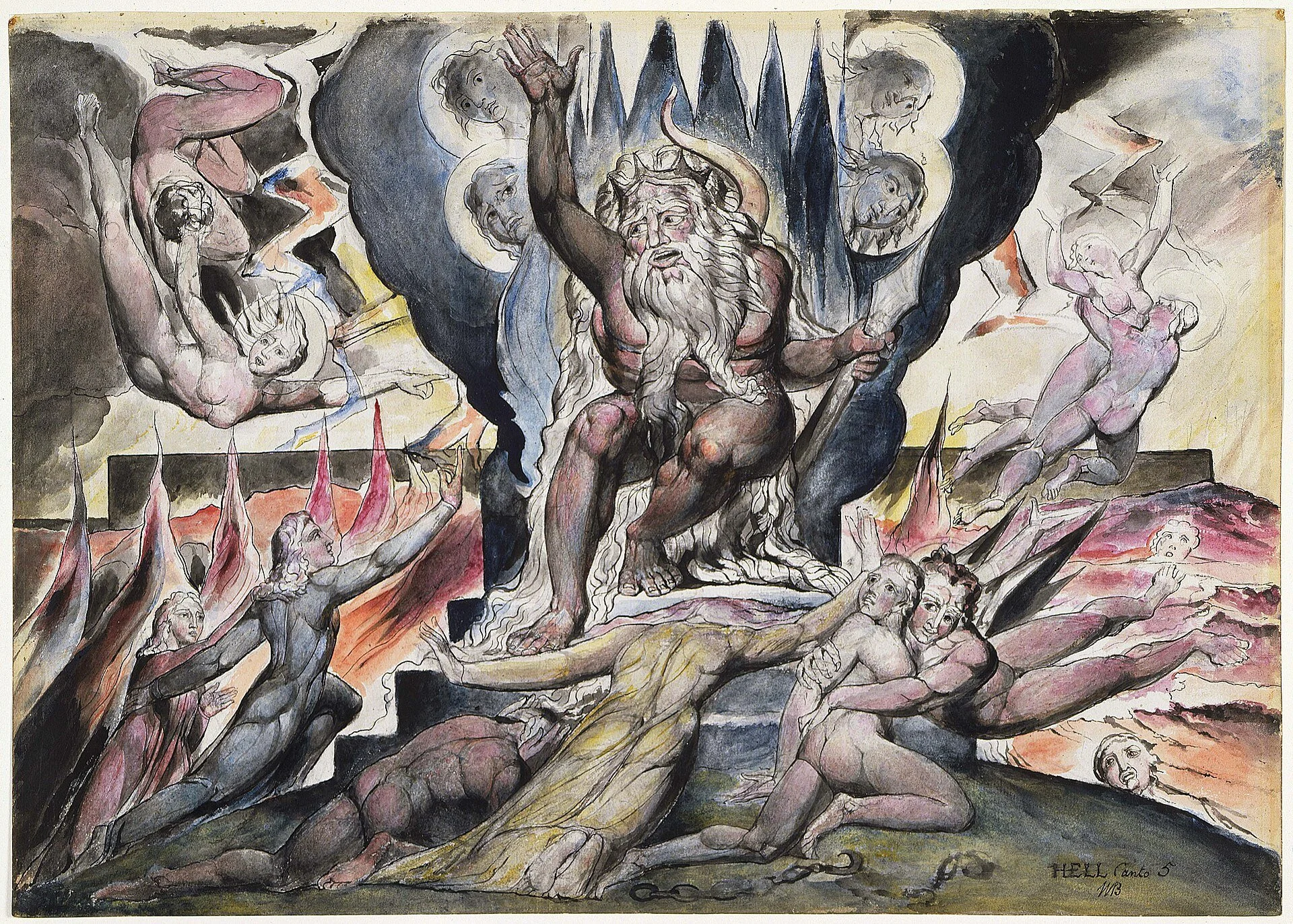
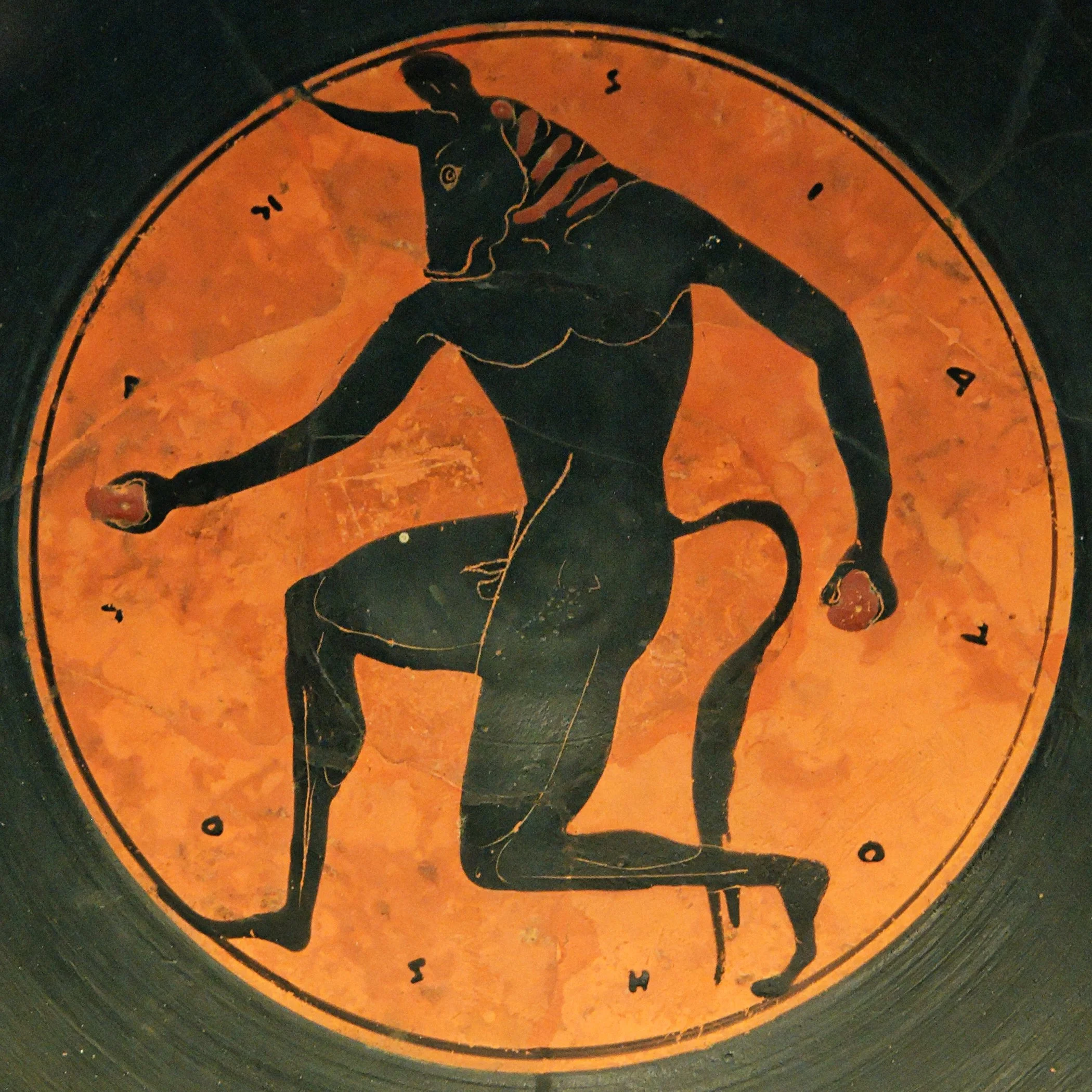
And the second, is that almost no-one knows this story. But everyone knows the Cretan myth of the Minotaur and his vanquishing by the hero Theseus, a story beneath which the conquering Greeks buried the Minoans.
It matters what stories make worlds, what worlds make stories.
I help businesses and organisations uncover the deep narratives guiding, framing, limiting their work and I help them tell new, better, hopeful stories too.