Participatory Alchemy
with the Collective Imagination Practice Fund
A radical redesign
Community Shortlisting
for the Collective Imagination Practice Fund
Some participant feedback
It transmuted any feelings of scarcity and competition, into that of collective support and joy- what alchemy.
I don't even mind if I don't get the funding - it was such a valuable experience.
I've never been a part of anything like that, and it really encouraged me to challenge my assumptions.
How can a participatory approach turn scarcity into abundance?
Interest in the Collective Imagination Practice Fund had doubled each year since it’s launch in 2023. Coming into 2026, as steward of the Fund, it was clear that our modest grant pot and administrative resource would struggle to cope with the 500 proposals we anticipated. Something had to change.
Whilst my initial stewardship of the Fund was informed by years of designing and administering processes for millions of pounds of public funds, based on diligence and appraisal by the wider stewardship team, I increasingly came to the view that we needed to have greater trust in the community.
A radical redesign turning the process on it’s head
This led to a radical redesign, transforming a centralised shortlisting process into a distributive, participatory process, where applicants themselves shortlisted each other’s applications.
The change was timely, the system would have collapsed without it; once the application window was open we were deluged with proposals, 660 projects from right around the world, seeking £2,000,000 in total investment, from a paltry £48,00 grant pot.
So here’s how we did it.
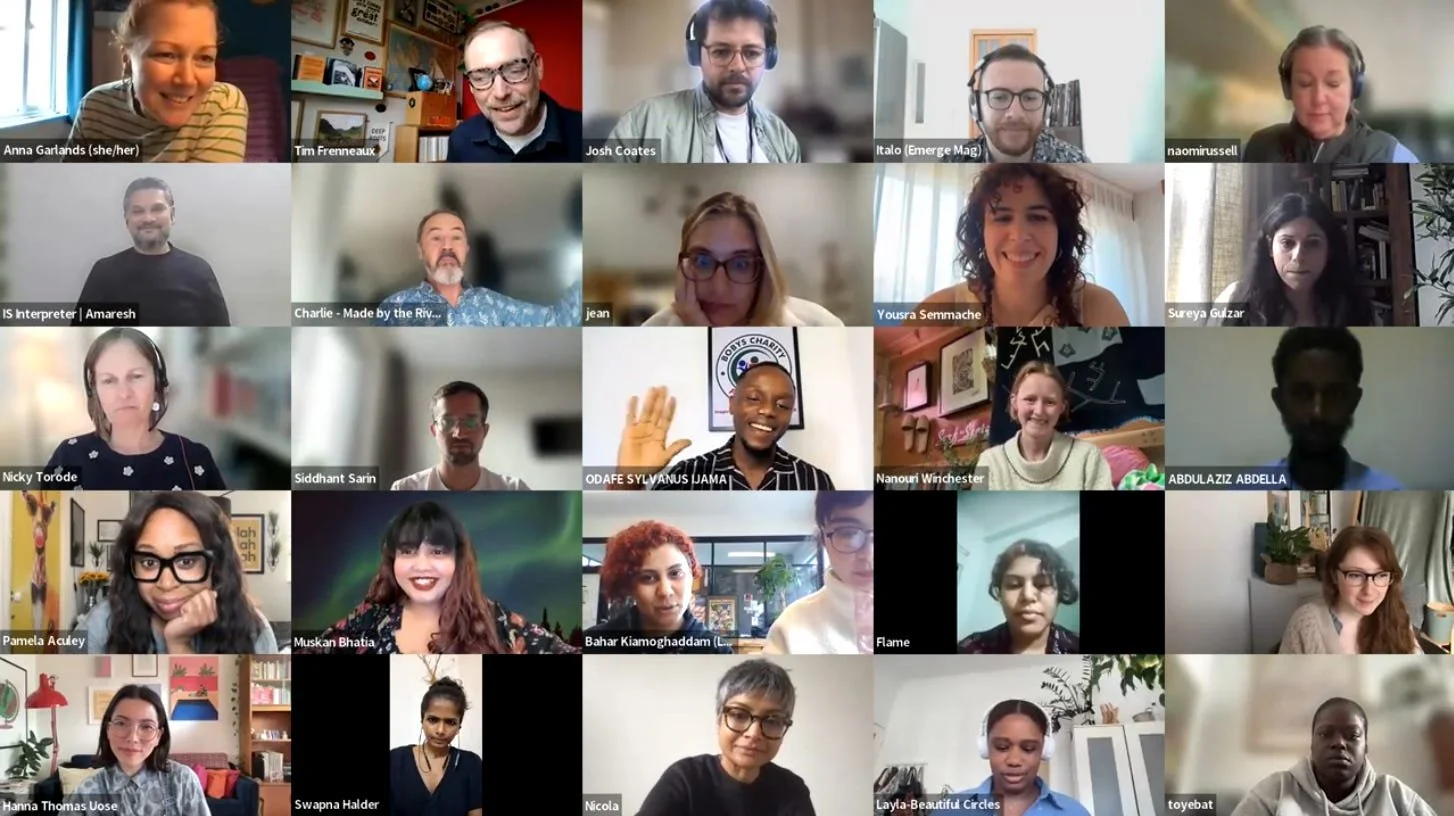
Applicants shortlisted proposals in small groups, during online community shortlisting events hosted in massive Zoom rooms - at one point we had 58 different breakout groups, each with five practitioners from around the globe, sharing their proposals with each other, and then voting on the four other projects they’d heard from.
Knowing that there was barely enough time for each person to pitch even in their small groups, and that these events never run to time, we leaned in, and upped the scarcity even more. Each practitioner had just 2 minutes to present their project, and 2 minutes for questions.
And, importantly I introduced each shortlisting session with a clear frame of letting go:
“Let go of the idea that you’re going to get funded. Less “I need” more “We see”.
And it worked, amazingly so; participants rose to it beautifully. By setting out this totally different playing field, where we weren’t aiming to win out over others, but instead part of a shared celebration of collective value, we could unlock previously unrecognised wealth.